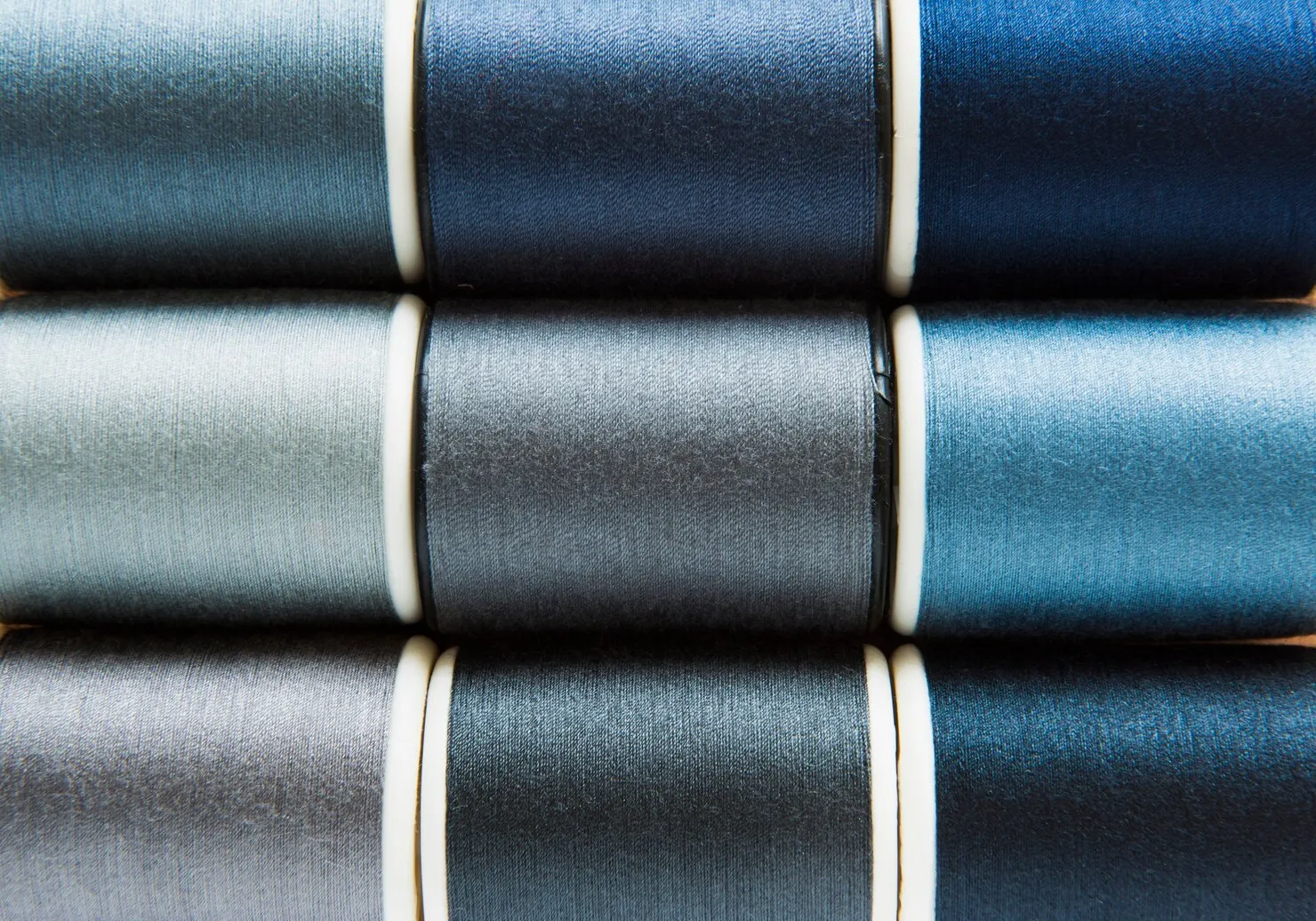
Textile Conveyor Belt Manufacturer

/ Textile Conveyor Belt
Conveyor Belt Manufacturer

Textile Conveyor Belt

Our company is established in 1999 in Ahmedabad. today it become one amongst the far-famed manufacturers and exporters of fabric transfer belts for paper mill wood process, and cement plant and particularly conveyor belt for textile industry.

Conveyor Belt

We offer conveyor belts used in textile industry as per necessities and specification of consumers. as a result of the support of our glorious team of diligent and full-fledged professionals we offer selection vary of industrial textile conveyor belts. Conveyor belts for clothing industry needed in varied manufacturing process of cloths like coloring, fusing and alternative processes.

These conveyor belts fictional from best possible materials with highest standards of quality accomplishment. we have a tendency to used artificial materials slike polyester, cotton, EP for conveyor belt tensioning ply and polyamide for the weave. this sort of fabric is appropriate for prime stress absorption and impact resistance.

Characteristic of our Textile Conveyor Belt are given below

1) Textile conveyor belts with oil and grease resistant covers.
2) Modular system with heat control Isolation layer
3) Long lived conveyor belt
4) Resistance to Chemicals 
5) High Tensile Strength 
6) With dirt repellent cover.
7) High dyeing efficiency
refresh  capture

FAQs of Textile Industry Conveyor Belt

1. What is a textile industry conveyor belt used for?

A textile industry conveyor belt is used for conveying raw cotton, synthetic fibers, fabric rolls, garments, and interlinings through spinning, dyeing, fusing, and cutting machines.

2. What key properties are needed in textile conveyor belts?

Textile belts require smooth non-marking surfaces, anti-static properties, temperature resistance for drying/fusing, and chemical resistance for dyeing lines.

3. What materials are textile conveyor belts made of?

They are typically constructed from PTFE (Teflon) mesh, PU, PVC, or seamless synthetic fabrics depending on the specific textile machinery.

4. How do anti-static properties benefit textile processing?

Anti-static belts prevent static charge accumulation, avoiding fiber cling, fabric jams, and potential fire hazards in dust-filled spinning rooms.

5. What maintenance keeps textile conveyor belts in top condition?

Regularly remove lint and thread wraps from rollers, clean dye or resin residues, check belt tracking, and ensure smooth tension control.

6. Are PTFE mesh belts suitable for textile drying tunnels?

Yes, open-mesh PTFE (Teflon) belts withstand up to 260°C while allowing hot air flow for rapid fabric drying and print curing.

7. Can textile belts handle high-speed automatic fabric cutting machines?

Yes, high-stability felt and PU belts provide a smooth, flat cutting surface for automated CNC fabric cutters.

8. Why source textile conveyor belts from Shetty Enterprises?

Shetty Enterprises offers non-marking, heat-resistant, and anti-static textile conveyor belts custom-built for spinning, weaving, and garment mills.

Request A Quote