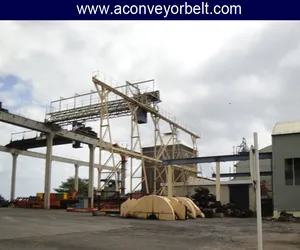
Ginning Conveyor Belt
Conveyor belt is generally used in ginning industries for conveying cotton to the gin and to expulsion cotton and cotton seeds to the processing plants. Our company is topnotch manufacturer and exporter of ginning conveyor belt that is used in ginning industry for material handling.
All our conveyor belting for ginning are fabricated with the support of cutting edge technology and best grade raw materials so as it has accomplish the requirements and necessitates of clients in various finish forms.
Ginning Conveyor Belt exporter
We offer conveyor belt exporter with soft and anti-slippery effects, hence it is widely acceptable for transporting fragile or deformable materials and packed goods in ginning industry.
Benefits of conveyor belt used in ginning industry are as follows:
1) Light weight
2) Decrease of head-space
3) Stabilizing the quality of cotton from annoying elements
4) Excellent load carrying capacity
5) Potential saving in labor cost.
6) Managed processing
7) Easy installation facilitated due to quick connection between components